
Rural Rally for Safe Water
When Rev. Brad Davis spoke in front of the House chamber last Monday, he held up a plastic water bottle, with orange-brown liquid inside.
“Folks, this is not Tang. This is not tea. This is tap water from McDowell County,” he said.
Last week, Brad and the rest of the From Below team accomplished several things that have never been done before. And those accomplishments came from months of hard work doing the rewarding, yet unseen (and unglamorous) work of community organizing and movement building.
Facebook posts. Phone calls. Gallons of gas in cars. Hundreds of fliers printed. And meetings with just about every kind of person you could imagine: retired people in Leckie, West Virginia; professors from fancy universities; state lawmakers; and dozens of interviews with the media. There is no one that Rev. Caitlin Ware, Royce Lyden, Rev. Brad Davis and Rev. Sarah Wilmoth won’t talk with to raise awareness about southern West Virginia’s drinking water crisis.
And two big things happened because of their work:
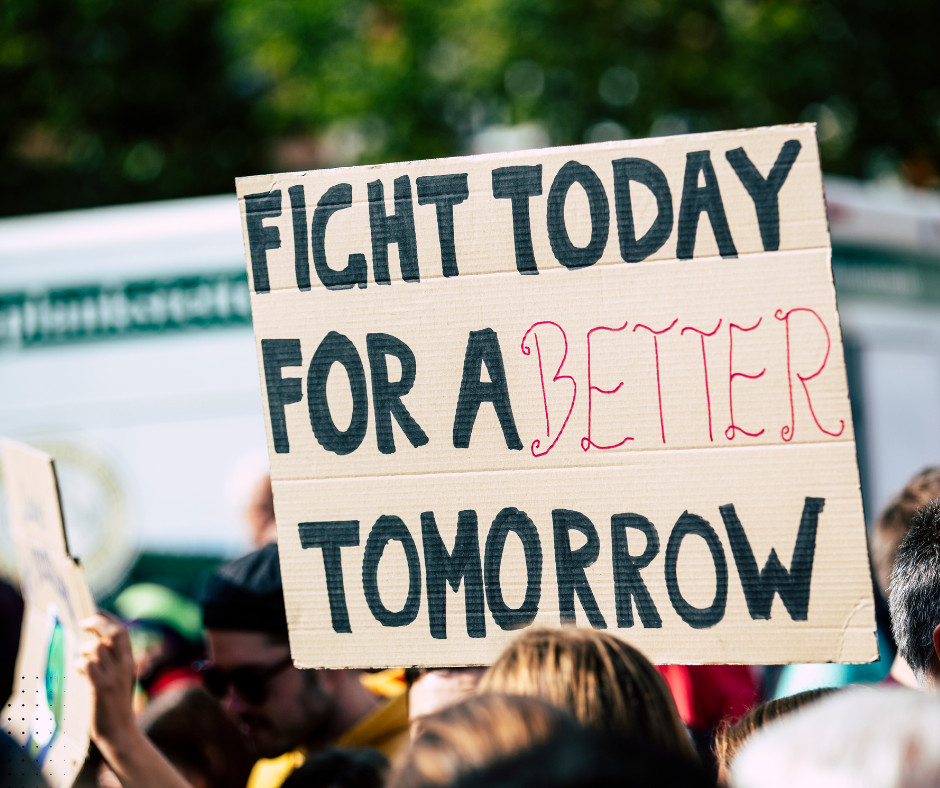
Firstly, West Virginians from the coalfields brought their contaminated drinking water straight to the Capitol, and dozens of people came to support them. Multiple major media outlets covered this action. And pictures of contaminated West Virginia water circulated all over the state—including a picture of one man showing his water to Gov. Patrick Morrisey.
Because of this week, West Virginia politicians can never say they don’t know the extent of southern West Virginia’s drinking water crisis.
And then there’s the second big thing that happened: Lawmakers finally introduced a bill to begin fixing the root causes of the region’s drinking water crisis.
There are definitely a lot of problems with the bill. From Below initially urged lawmakers to take $250 million from the state’s Rainy Day Fund and use it to fix outstanding infrastructure projects in nine coalfield counties: That might sound like a lot of money, and it might sound like a handout. But it isn’t. Completing all the outstanding water projects in just four of those counties would cost $287 million.
Asking for 250 was a lowball offer, for a region whose coal miners, steel workers, and loggers did the labor that made America the wealthiest nation in the world. The bill is simply way past due.
But instead of introducing the Coalfield Clean Water Act, lawmakers introduced a significantly scaled back proposal: HB 5525. It would allocate only $10 million from the state’s general fund to create a Southern West Virginia Clean Water Fund for 13 southern counties. But money would essentially only be available to municipal water utilities through a low-interest loan and grant application program.
As HB 5525 is written, the $10 million would also only be a one-time investment, allocated to jumpstart the fund. In the future, the fund would rely on public and private investment, as well as fines for municipal water systems that don’t adhere to higher drinking water standards the bill would create.
When it comes to why this bill is problematic, From Below said it best in a statement issued earlier this week:
“Forcing under-resourced communities to continue applying for grants and loans only perpetuates the current process, leads to unequal distribution of funds, and delays urgently needed funding. Fines punish failing systems while forcing them to pay for other failing systems. It’s robbing Peter to pay Paul. This would devastate already underfunded areas and ultimately lead to higher utility bills.”
These are significant, valid critiques, and the West Virginia Faith Collective fully supports From Below’s concerns.
This isn’t what we asked for, and we aren’t backing down. But that doesn’t mean we aren’t making a difference, and it doesn’t mean there’s nothing we can do.
Advancing this bill creates opportunities for debate and amendment that can restore it to the original $250 million proposal—or at least bring it closer to that original vision.
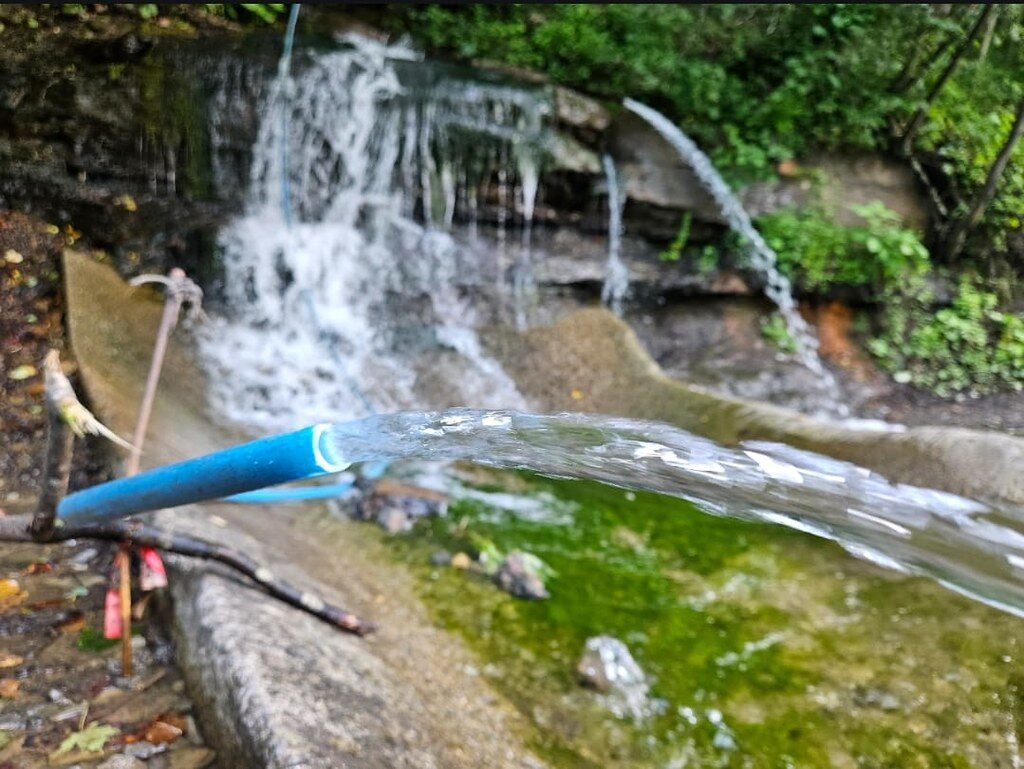
For decades, West Virginia’s elected officials have ignored the cries of their constituents. They ignored the brown water, the destroyed clothing, the chemical burns, and the retired grannies driving miles to collect spring water, while paying city water fees.
They can no longer pretend they don’t hear us. And rest assured, we are not shutting up any time soon. You can help us by leaving a public comment on HB 5525 (linked), saying you support the bill being placed on a committee agenda and amended to better serve the people of southern West Virginia.