
Fasting for Justice
by Ibtesam Barazi, Rev. Cindy Briggs-Biondi, and Rev. Darick Biondi
Today, Wednesday, February 18th, over half of the world’s population begins a holy time of fasting; this day marks the beginning, a rare convergence, of Christianity’s season of Lent and the Islamic month of Ramadan, two holy times devoted to fasting and deep spiritual growth. Fasting in each tradition involves the abstinence of food and/or water, and we as people of faith are calling our world to a deeper kind of fasting this Ramadan and Lent – a fast for justice in times of extreme injustice throughout the United States and the world. Will you join us in our fast for justice?
For Christians: The season of Lent is a time of fasting, but perhaps this Lent, Christians could choose to participate in a different type of fast. In Isaiah 58:6, God asks: “Is this not the fast I choose – to break chains of injustice, to share bread with the hungry, to shelter the homeless, to refuse to hide from your own kin?” The fast God desires is not quiet self-denial for its own sake but courageous public faithfulness that liberates the poor and oppressed both locally and globally!
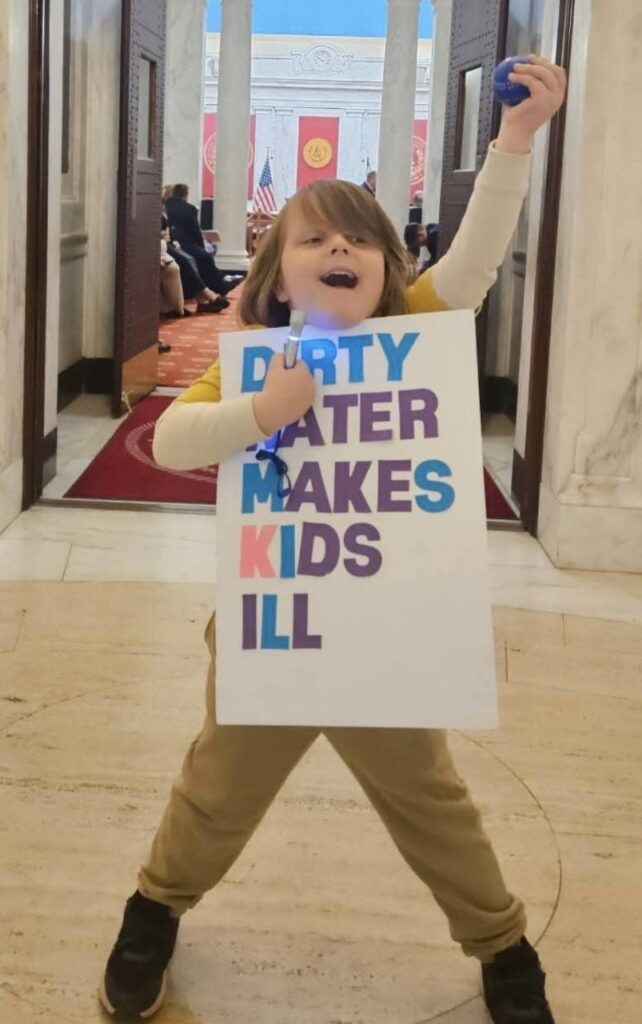
In the midst of fasting, we too are called to repent of sin both past and present, and Christians must turn away from the ways we perpetuate injustice today. Right now, countless families are suffering under the crushing weight of rising food and utility costs. The southern coalfields and countless communities throughout the state do not have access to safe drinking water. Immigrants face increasing threats to their safety and well-being. Lent has never been about private spiritual improvement alone. It is about returning to the heart of God, which always cares for the poor, the immigrant, the hungry, and the forgotten. If we want Jesus’ resurrection hope, we must take up our cross and walk the road of courageous love.
This Lent, perhaps Christians could fast from indifference by committing to learning about one local injustice, like unsafe water, food insecurity, or immigration raids. Christians could attend a community meeting or support a local mutual aid effort like SOAR. Christians could increase giving to hunger programs like Covenant House, Heart + Hand, or one of any number of local food pantries. Christians could volunteer with a feeding ministry, like the one at St. Marks in downtown Charleston or Christ Kitchen in St. Albans. Perhaps we might heed the call of Pope Leo XIV and commit to resisting rhetoric that dehumanizes anyone.
For Muslims: On February 18 Muslims begin celebrating the holy month of Ramadan, which is not only a personal act of devotion, but also a public expression of courage, compassion, and community. Worshiping during this holy month reflects a faith that does not seek isolation, but instead seeks connection and shared moral purpose.
For Muslims, Ramadan is a time of fasting from dawn to sunset, a time of spiritual renewal. Muslims patiently await this holy month with strong anticipation for a time that reflects strengthening family ties, solidarity with each other and other faith traditions, and cultivating deeper relationships by joining one another in a celebration of true faith.
Ramadan is not only about abstaining from food, drink, and other comforts as an act of worship and obedience to Allah (God), it is also a time to increase one’s faith by thinking of others, reaching out to neighbors: the needy, the hungry, and the oppressed to alleviate suffering. Fasting publicly in a country where Muslims are a minority requires courage and strong belief in Allah’s command. It also reflects one’s strength and confidence in one’s identity.
As we begin this holy month, Muslims strive to reach a high level of devotion by practicing extra daily prayers, recitation of the holy Quran, and doing more charity (Zakat & Sadaqah) as acts of kindness.
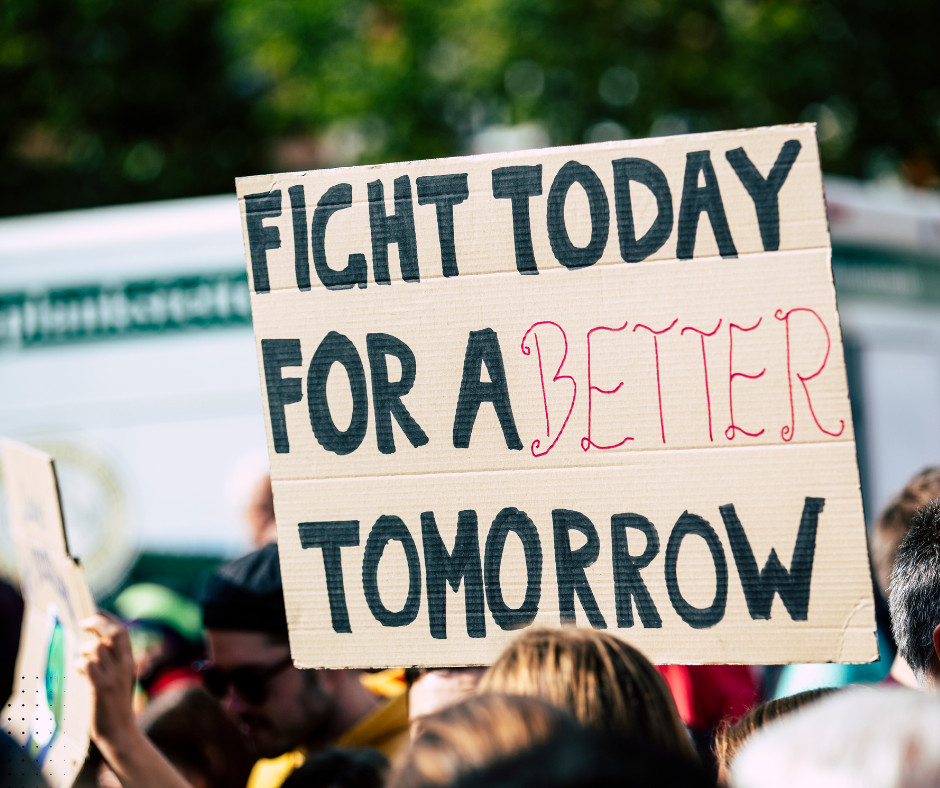
Together: In a world where we all experience a growing lack of compassion, high levels of anxiety, and oppressive injustice toward the “other” (which often includes children), it is up to us, Christians, Muslims, Jews, every faith, and ALL people of conscience, to have the moral courage to speak truth to power, stand with the oppressed, and fight against cruelty.
We call on ALL people: as Christians and Muslims begin this holy time of Lent and Ramadan, to stand in solidarity with the vulnerable. May we show compassion and empathy to everyone in need. Let us turn our spiritual practices into social responsibility. May standing together against systems of oppression in difficult times define us all as people of conscience and courage! We must unite in peaceful resilience and show that human dignity extends to ALL people, regardless of nationality, color, or faith tradition!
Note: According to pewresearch.org, as of 2020 the world is 28.8% Christian and 25.6% Muslim.